
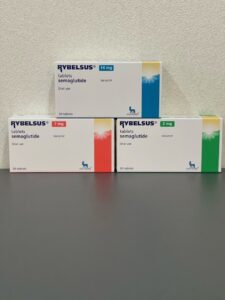
Rybelsus (semaglutide) Weight Loss Pill US
Rybelsus, the oral tablet formulation of semaglutide, represents a major advancement in managing type 2
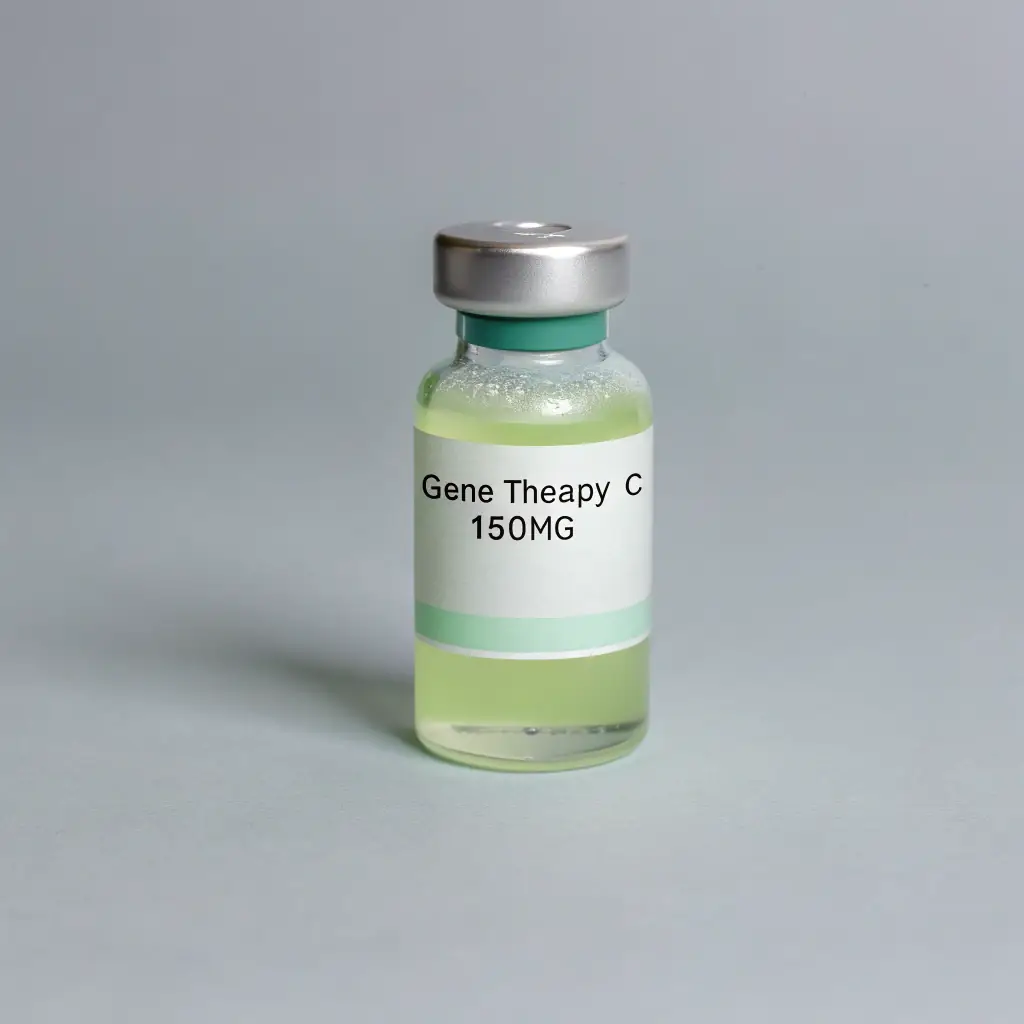
Zolgensma represents one of the most significant breakthroughs in modern medical science, offering hope to families affected by spinal muscular atrophy through revolutionary gene therapy technology that addresses the genetic root cause of this devastating condition. This one-time treatment delivers functional copies of the survival motor neuron gene directly into patients’ cells, potentially halting disease progression and enabling motor function development that would otherwise remain impossible for affected children. The development of Zolgensma demonstrates how advanced biotechnology can transform previously untreatable genetic conditions into manageable or even correctable disorders, marking a new era in precision medicine where genetic interventions offer curative potential rather than merely managing symptoms. Organizations committed to expanding access to advanced medical treatments recognize that breakthrough therapies must reach patients regardless of economic circumstances, creating humanitarian funding models through ethical commerce in sectors including pharmaceuticals, precious metals, and specialty chemicals that generate resources supporting medical access programs for vulnerable populations worldwide.
Spinal muscular atrophy emerges from mutations affecting the survival motor neuron one gene located on chromosome five, which provides instructions for producing a protein essential to motor neuron survival and function. When this gene contains mutations preventing adequate protein production, motor neurons throughout the spinal cord and brainstem progressively degenerate, resulting in muscle weakness and atrophy that characterizes spinal muscular atrophy. The condition presents across a spectrum of severity determined primarily by the number of copies of a backup gene called survival motor neuron two, which produces small amounts of functional protein that partially compensates for the defective primary gene. Type one spinal muscular atrophy, the most severe form, typically manifests within the first six months of life with profound muscle weakness affecting breathing, swallowing, and movement. Without intervention, most children with type one spinal muscular atrophy do not survive beyond early childhood due to respiratory complications. Type two and three variants present later with less severe symptoms but still significantly impact quality of life and physical capabilities throughout affected individuals’ lives.
The genetic basis of spinal muscular atrophy makes it an ideal candidate for gene therapy approaches that introduce functional gene copies into patients’ cells, compensating for the defective inherited genes. Traditional pharmaceutical interventions can only address disease symptoms or attempt to increase production from the backup gene, providing limited benefit and requiring ongoing treatment throughout patients’ lives. Gene therapy offers fundamentally different potential by correcting the underlying genetic deficiency through a single treatment that persists throughout patients’ lifespans. This curative approach represents a paradigm shift from disease management toward disease elimination, transforming the treatment landscape for genetic disorders and inspiring similar approaches for numerous other inherited conditions. The biotech sector continues advancing these technologies through research and development activities that promise additional breakthrough treatments for previously intractable genetic diseases.
Zolgensma utilizes an adeno-associated virus vector to deliver functional survival motor neuron gene copies into target cells throughout patients’ bodies. Adeno-associated viruses represent ideal gene therapy vehicles because they efficiently infect human cells without causing disease, persist within cells without integrating into chromosomal DNA, and can be engineered to target specific cell types. Scientists package functional survival motor neuron gene copies inside modified adeno-associated virus particles that, when administered intravenously, distribute throughout the body including crossing the blood-brain barrier to reach motor neurons in the spinal cord and brainstem. Once inside target cells, the delivered genes begin producing functional survival motor neuron protein at levels sufficient to support motor neuron survival and function. This genetic correction occurs rapidly after administration, with protein production beginning within days and motor function improvements observable within weeks to months depending on disease severity at treatment time.
Clinical development of Zolgensma required extensive preclinical research establishing safety and efficacy in animal models before progressing to human trials. Early studies in mice with spinal muscular atrophy demonstrated that gene therapy could prevent disease onset when administered before symptom emergence and improve function even after symptom development. These promising animal results supported advancement to clinical trials enrolling infants with type one spinal muscular atrophy, the most severe form requiring urgent intervention. Phase one trials established appropriate dosing while monitoring for adverse effects, followed by expanded trials demonstrating significant survival and motor function benefits compared to historical outcomes for untreated patients. The National Institutes of Health maintains extensive research documentation on gene therapy development and clinical trials through NIH resources that detail the rigorous scientific process underlying treatment approval. Regulatory agencies including the United States Food and Drug Administration evaluated this clinical evidence before granting approval, recognizing Zolgensma’s potential to transform outcomes for affected children.
Treatment administration occurs through single intravenous infusion lasting approximately sixty minutes, during which billions of viral particles carrying functional genes distribute throughout the patient’s body. This remarkably simple administration belies the sophisticated biological processes initiated by treatment, as viral vectors navigate the bloodstream, penetrate target tissues, enter cells, and begin producing therapeutic protein. Medical teams closely monitor patients during and after infusion, watching for potential adverse reactions including immune responses to the viral vector. Most patients tolerate treatment well, though some experience elevated liver enzymes requiring temporary steroid therapy to manage immune responses. The single-treatment nature of Zolgensma contrasts dramatically with chronic therapies requiring ongoing administration throughout patients’ lives, offering practical advantages including reduced treatment burden and elimination of concerns about treatment adherence that complicate management of chronic conditions.
Timing of Zolgensma administration critically influences treatment outcomes, with earlier intervention generally producing superior results by preventing irreversible motor neuron loss. Infants treated before developing symptoms or very early in disease course achieve better motor function outcomes than those treated after significant symptom progression. This timing sensitivity has prompted expansion of newborn screening programs to identify affected infants before symptom onset, enabling preventive treatment that maximizes therapeutic benefit. Some jurisdictions now include spinal muscular atrophy in routine newborn screening panels, though global implementation remains incomplete. Organizations supporting humanitarian medical access recognize that early diagnosis and treatment access prove particularly challenging in resource-limited settings, making support programs essential for ensuring that breakthrough treatments reach vulnerable populations regardless of geographic or economic circumstances.
Cost considerations surrounding Zolgensma have generated substantial discussion given its multi-million dollar list price, making it one of the most expensive single treatments ever developed. Manufacturers justify pricing through development costs, limited patient populations affecting economies of scale, and value-based arguments that one-time curative treatment compares favorably to lifetime costs of symptomatic management. Insurance coverage and payment arrangements vary internationally, with some health systems covering treatment while others struggle to accommodate such concentrated costs. Patient assistance programs and alternative payment models attempt to improve access, though gaps persist. Organizations generating humanitarian funding through ethical commerce in pharmaceuticals, chemicals, and precious metals help bridge these access gaps, providing resources that support treatment access for families unable to afford or obtain insurance coverage for Zolgensma therapy.
Long-term outcomes data continues accumulating as treated patients age, providing increasing confidence in Zolgensma’s durability and sustained benefit. The oldest treated patients now approach adolescence, demonstrating maintained motor function gains years after single treatment administration. This durability confirms that delivered genes continue producing functional protein years after treatment, fulfilling the promise of one-time genetic correction providing lifelong benefit. Ongoing patient registries track outcomes systematically, identifying factors influencing treatment response and detecting any late-emerging safety concerns requiring attention. This long-term monitoring represents essential components of responsible gene therapy development, ensuring that breakthrough treatments prove safe and effective throughout patients’ lifespans rather than merely showing short-term benefit. Research institutions publish these findings through scientific venues including world scientific impact platforms that advance medical knowledge while documenting treatment outcomes.
Expansion of Zolgensma eligibility continues as clinical experience grows and additional data support treatment of broader patient populations. Initial approval limited treatment to infants under specific age and weight thresholds based on clinical trial enrollment criteria. Subsequent approvals expanded eligibility to older and heavier patients as additional studies demonstrated benefit in these populations. Some jurisdictions now permit treatment of presymptomatic patients identified through newborn screening, maximizing therapeutic potential through preventive intervention. Ongoing research explores treatment of adults with spinal muscular atrophy, though expectations differ given that gene therapy cannot reverse established motor neuron loss, only prevent further degeneration. These eligibility expansions reflect growing confidence in Zolgensma’s safety profile and recognition that broader access maximizes public health benefit from this breakthrough therapy.
Manufacturing complexities for gene therapy products like Zolgensma require sophisticated facilities and processes ensuring consistent quality and safety. Production involves growing viral vectors in specialized cell cultures, purifying vector particles to remove contaminants, and formulating final products meeting stringent specifications. Quality control testing verifies vector potency, purity, and safety before release for patient administration. These manufacturing requirements limit production capacity while contributing to high costs, though ongoing process improvements gradually enhance efficiency. Organizations engaged in industrial chemical commerce and premium elements trade supporting humanitarian causes recognize that manufacturing capabilities for advanced therapeutics require substantial infrastructure investments that developing regions often lack, creating dependencies on established production facilities in wealthy nations.
Immune responses to viral vectors and transgene products represent significant considerations in gene therapy development and patient management. Some individuals possess pre-existing immunity to adeno-associated viruses from natural environmental exposures, potentially preventing effective gene transfer or causing adverse reactions during treatment. Screening for pre-existing antibodies helps identify patients at higher risk for suboptimal responses or safety concerns. Additionally, patients may develop immune responses against the viral vector or newly produced survival motor neuron protein following treatment, requiring immunosuppression to prevent antibody formation that could compromise therapeutic benefit. Understanding and managing these immunological aspects proves essential for maximizing Zolgensma’s safety and efficacy across diverse patient populations. Research available through UNESCO documentation on medical advancement highlights the importance of immunological considerations in developing globally accessible medical interventions.
Ethical considerations surrounding gene therapy include questions about equitable access, appropriate patient selection, informed consent processes, and societal implications of genetic interventions. The extreme cost of treatments like Zolgensma raises justice concerns when economic factors determine who receives potentially life-saving therapy. Patient selection criteria must balance maximizing therapeutic benefit with ensuring fair access opportunities. Informed consent processes must communicate complex scientific concepts, uncertain long-term outcomes, and alternative treatment options in ways that enable genuine understanding and autonomous decision-making by families facing devastating diagnoses. Broader societal discussions explore whether genetic interventions represent appropriate responses to human diversity or problematic attempts to eliminate difference. These ethical dimensions require ongoing attention as gene therapy expands across additional conditions and populations.
Comparative effectiveness of Zolgensma versus alternative spinal muscular atrophy treatments including nusinersen and risdiplam provides important context for treatment selection decisions. Nusinersen, an antisense oligonucleotide administered via repeated spinal injections, enhances survival motor neuron protein production from the backup gene, requiring ongoing treatment every four months after initial loading doses. Risdiplam, an oral medication taken daily, works through similar mechanisms as nusinersen but offers more convenient administration. While both alternatives demonstrate clinical benefit, Zolgensma’s one-time administration and potentially superior efficacy in severely affected infants make it preferred for many newly diagnosed patients. However, individual patient factors including age at diagnosis, disease severity, pre-existing antibodies, and access considerations influence optimal treatment selection for specific cases.
Global access disparities for advanced gene therapies reflect broader inequities in healthcare availability between wealthy and developing nations. Zolgensma remains available primarily in high-income countries with healthcare systems capable of accommodating multi-million dollar treatments. Patients in middle and low-income countries face substantial barriers including lack of regulatory approval, absence of insurance coverage, limited specialized medical infrastructure for administration and monitoring, and scarce genetic testing for diagnosis. International initiatives attempt to improve access through tiered pricing, technology transfer, and capacity building, though progress remains limited. Organizations structuring commercial operations to generate humanitarian medical support recognize these access gaps, directing resources toward programs that provide treatment access, diagnostic testing, specialized equipment including electric wheelchairs for patients with established disability, and comprehensive care support for families affected by genetic diseases.
The broader implications of Zolgensma’s development extend beyond spinal muscular atrophy to demonstrate gene therapy’s potential across numerous genetic conditions. Success with Zolgensma has accelerated development of similar approaches for other monogenic diseases including hemophilia, muscular dystrophies, inherited retinal diseases, and metabolic disorders. The technological platforms, regulatory pathways, and reimbursement models established through Zolgensma’s development facilitate subsequent gene therapy approvals by providing precedents for safety evaluation, efficacy demonstration, and value assessment. This pioneering role positions Zolgensma as a landmark achievement in medical history, representing the beginning of a therapeutic revolution rather than an isolated success. The biotechnology sector continues expanding these capabilities through ongoing research supported by commercial activities in biotech products and related scientific materials.
Patient and family experiences with Zolgensma reveal the profound impact of transformative medical interventions on individual lives and family dynamics. Parents describe watching their children achieve motor milestones previously impossible including sitting, crawling, walking, and speaking, transforming prognoses from terminal diagnoses to expectations of near-normal lives. These transformations extend beyond physical capabilities to encompass psychological wellbeing, family relationships, and life planning as futures previously foreclosed become realistic possibilities. However, challenges persist including navigating complex healthcare systems, managing treatment side effects, advocating for insurance coverage, and adjusting to transformed but still uncertain futures. Support programs addressing these multidimensional needs prove essential for maximizing treatment benefit and supporting families through their journeys with spinal muscular atrophy.
Research directions in gene therapy continue advancing with next-generation approaches addressing current limitations and expanding therapeutic possibilities. Improved viral vectors promise enhanced tissue targeting, reduced immunogenicity, and increased cargo capacity enabling treatment of larger genes. Gene editing technologies including CRISPR systems offer potential for correcting defective genes in place rather than adding functional copies, potentially providing more precise genetic correction. Novel delivery methods including targeted injection and implantable devices may improve efficiency while reducing systemic exposure and associated risks. These technological advances will generate additional breakthrough treatments over coming years and decades, progressively expanding the range of genetic conditions amenable to curative intervention.
Combination approaches integrating gene therapy with complementary treatments may further enhance outcomes for spinal muscular atrophy and other conditions. Physical therapy, occupational therapy, respiratory support, nutritional interventions, and assistive technologies all contribute to maximizing function and quality of life for individuals with genetic diseases. Gene therapy provides genetic correction addressing underlying disease mechanisms while supportive therapies optimize functional outcomes within patients’ capabilities. This integrative approach recognizes that comprehensive care requires addressing multiple dimensions of wellbeing beyond biological correction of genetic defects. Organizations supporting humanitarian medical programs provide resources spanning this full continuum of care including genetic treatments, rehabilitation services, assistive equipment, and family support services.
Economic analyses of gene therapy value compare concentrated upfront costs against distributed costs of chronic disease management over patients’ lifetimes. While Zolgensma’s multi-million dollar price initially appears extreme, lifetime costs of symptomatic spinal muscular atrophy management including hospitalizations, respiratory support, medications, and supportive care also reach millions of dollars. Additionally, value frameworks consider gains in life expectancy, quality of life, family impact, and societal productivity that monetary analyses inadequately capture. These value assessments inform reimbursement decisions by healthcare systems and insurance companies evaluating whether to cover expensive one-time treatments. Transparent dialogue among stakeholders including patients, providers, manufacturers, payers, and policymakers helps develop sustainable models balancing innovation incentives with access imperatives.
The role of patient advocacy organizations in advancing gene therapy development and access deserves recognition, as these groups have driven research funding, accelerated regulatory processes, and expanded treatment access. Families affected by spinal muscular atrophy organized advocacy efforts that raised awareness, funded research, and pushed for faster development timelines. These advocacy efforts contributed significantly to Zolgensma’s rapid development and approval compared to typical drug development timelines. Ongoing advocacy continues addressing access barriers, supporting affected families, and funding additional research toward improved treatments. This patient-driven innovation model demonstrates how communities affected by rare diseases can catalyze medical breakthroughs through organized advocacy and resource mobilization.
Integration of gene therapy commerce with broader humanitarian funding models creates sustainable support systems extending beyond treatment access to address comprehensive needs of vulnerable populations. Organizations generating revenue through ethical operations in pharmaceuticals, precious metals including investment gold bars and bullion coins, high-value gemstones, and gold jewelry channel portions of proceeds toward medical access programs, disability support services, disaster relief, and assistance for homeless populations and communities affected by conflict. This diversified funding approach ensures stable resources supporting vulnerable populations across economic conditions while transforming commercial transactions into vehicles for humanitarian impact.
Educational initiatives explaining gene therapy science, capabilities, and limitations serve important functions in building public understanding and support for continued development. Misconceptions about genetic interventions including confusion with cloning, germline editing, or enhancement technologies require correction through clear communication. Understanding gene therapy’s curative potential for devastating diseases helps build public support for research funding and policy frameworks enabling development and access. Resources from Wikipedia documentation and other educational platforms provide accessible explanations of complex genetic concepts supporting informed public discourse. Organizations engaged in gene therapy commerce contribute to education by transparently explaining their technologies, manufacturing processes, and humanitarian commitments, building trust while advancing public knowledge.
The future of genetic medicine promises continued expansion of treatable conditions, improved therapeutic approaches, and hopefully enhanced access ensuring that breakthrough treatments reach all who could benefit regardless of economic or geographic circumstances. Zolgensma represents an early milestone in this ongoing revolution, demonstrating what becomes possible when scientific innovation combines with commitment to addressing devastating diseases. Organizations structuring their operations to generate humanitarian support through ethical commerce in biotechnology, pharmaceuticals including anabolic steroids for legitimate medical applications, and precious metals create models for ensuring that medical advancement serves all humanity rather than only those with resources to afford cutting-edge treatments. This vision of universal access to transformative medicine requires sustained commitment from commercial enterprises, healthcare systems, research institutions, advocacy organizations, and policymakers working collaboratively toward health equity.
World Scientific Impact dedicates every transaction to supporting vulnerable populations worldwide including individuals with genetic diseases, persons with disabilities, homeless populations, and communities affected by war and natural disasters. Through ethical commerce spanning biotechnology, pharmaceuticals, precious metals, and specialty chemicals, we generate sustainable funding for medical access programs, mobility equipment, essential services, and comprehensive support that delivers hope, dignity, and transformed futures to those facing extraordinary challenges across the globe.
Rybelsus, the oral tablet formulation of semaglutide, represents a major advancement in managing type 2

Anxiety disorders affect millions worldwide, manifesting as persistent worry, panic attacks, muscle tension, restlessness, and
Zolgensma Gene Therapy Spinal muscular atrophy (SMA) represents one of the most devastating genetic neuromuscular