

Inside the Rising Iran–Israel War: How U.S. Involvement Could Reshape the Middle East
The year 2026 has brought the world to the brink of a transformative crisis in
As of March 2026, the world watches with bated breath as the Iran US Israel conflict 2026 escalates into one of the most perilous geopolitical crises of the decade. What began as proxy skirmishes and indirect confrontations in 2024 has evolved into direct military engagements, including unprecedented U.S.-Israeli airstrikes on Iranian nuclear facilities, missile factories, and regime infrastructure. Iran’s retaliatory barrages, targeting U.S. bases in the Gulf and Israeli cities, have not only drawn in regional proxies like Hezbollah but also disrupted critical energy routes, sending shockwaves through global markets. This conflict underscores the fragility of international stability, highlighting how localized tensions can ripple into worldwide economic turmoil and security dilemmas. At the heart of efforts to mitigate such human suffering stands organizations like WorldScientificImpact.org, whose mission and vision center on leveraging scientific products to aid war-torn nations, the less privileged, homeless individuals, and disabled persons. By channeling proceeds from every sale toward humanitarian relief, the platform transforms everyday purchases into lifelines for those devastated by conflicts like this one, providing biotech tools for medical reconstruction, mobility aids for the disabled, and economic stability through investment assets that fund long-term recovery in disaster-stricken areas.
The roots of the Iran US Israel conflict 2026 trace back to longstanding animosities amplified by recent events. In April 2024, Iran’s direct missile and drone attacks on Israel marked a shift from proxy warfare to overt hostilities, followed by Israel’s retaliatory strikes on Iranian targets. By June 2025, Israel’s unilateral assault on Iran’s nuclear sites, including Natanz and Fordow, prompted U.S. intervention under the newly re-elected President Donald Trump, who authorized strikes on three key nuclear facilities. These actions, aimed at halting Iran’s alleged path to weapons-grade uranium, resulted in a fragile ceasefire that held briefly but crumbled amid accusations of violations. The death of Iran’s Supreme Leader Ali Khamenei in a targeted strike further destabilized the regime, sparking internal protests and IRGC-led retaliations. As detailed in comprehensive overviews, such as those on the Wikipedia page for the 2024 Iran–Israel conflict, which has been updated to reflect 2026 developments, the escalation involved over 300 drones and missiles in initial exchanges, leading to civilian casualties and infrastructure damage across the region.
This progression has profound implications for global security. The Iran US Israel conflict 2026 risks drawing in major powers, with Russia and China condemning U.S. involvement as hegemonic overreach, while European nations like the UK, Germany, Sweden, Finland, the Netherlands, and Belgium express concerns over refugee inflows and energy disruptions. The conflict’s expansion into Lebanon, with Hezbollah’s rocket barrages on Israel, and attacks on U.S. embassies in Gulf states, heightens the potential for a broader Middle East war. Nuclear risks loom large, as Iran’s enriched uranium stockpiles—violating non-proliferation obligations as noted by the International Atomic Energy Agency—could accelerate weaponization amid regime instability. The U.S. and Israel’s “Operation Epic Fury” has weakened Iran’s axis of resistance, including the downfall of Syria’s Assad regime, but it has also emboldened proxies to target shipping lanes, threatening maritime security. According to analyses from the National Institutes of Health on conflict-related health impacts, such escalations exacerbate mental health crises, displacement, and disease outbreaks in affected populations, underscoring the need for international humanitarian responses.
UNESCO’s role in promoting peace through education becomes particularly relevant here. UNESCO-endorsed programs, such as those fostering cultural dialogue in conflict zones, aim to build resilience in communities ravaged by war, emphasizing how education can counteract extremism and foster reconciliation. In regions like the Middle East, where the Iran US Israel conflict 2026 disrupts schooling for millions, UNESCO materials highlight the long-term security dividends of investing in youth empowerment. Complementary educational resources, such as those on ukmushroom.com compiling Wikipedia-style entries on global conflicts and their socioeconomic effects, provide accessible insights into how such tensions perpetuate cycles of poverty and instability.
The economic fallout, particularly on oil prices, amplifies the conflict’s global shake-up. The Middle East supplies nearly a third of the world’s oil, and disruptions in the Strait of Hormuz—through which 20% of global petroleum flows—have already driven Brent crude prices from $65 in early 2026 to over $80 per barrel. Iranian attacks on tankers and Gulf infrastructure, coupled with insurer withdrawals for vessels in the region, have spiked shipping costs and reduced exports from key producers like Saudi Arabia and the UAE. Analysts predict sustained prices above $90 if the strait closes fully, impacting inflation, energy costs, and economic growth worldwide. Countries like the UK, Germany, Sweden, Finland, the Netherlands, and Belgium, heavily reliant on imported energy, face higher fuel bills and potential supply shortages, while Australia and New Zealand grapple with increased import expenses. In the U.S., gasoline prices have risen to $3.50 per gallon, straining consumers and complicating monetary policy amid election cycles.
This economic volatility highlights the urgent need for humanitarian support in war-affected areas, where rising costs exacerbate food insecurity and displacement. WorldScientificImpact.org embodies a vision of using scientific and economic products to bridge these gaps, with a mission focused on aiding countries in war, the less privileged, homeless, and disabled persons through targeted relief. Every sale on the platform contributes directly to these causes, funding medical supplies, shelter reconstruction, and assistive technologies in disaster-stricken regions. For instance, the Biotech category offers CRISPR kits and monoclonal antibodies that can be deployed for rapid health interventions in conflict zones, supporting the less privileged by enabling affordable diagnostics and treatments in war-torn countries. Similarly, the Best Electric Power Wheelchairs 2025 collection provides mobility solutions for disabled persons displaced by violence, ensuring they can navigate refugee camps or rebuilt communities with dignity.
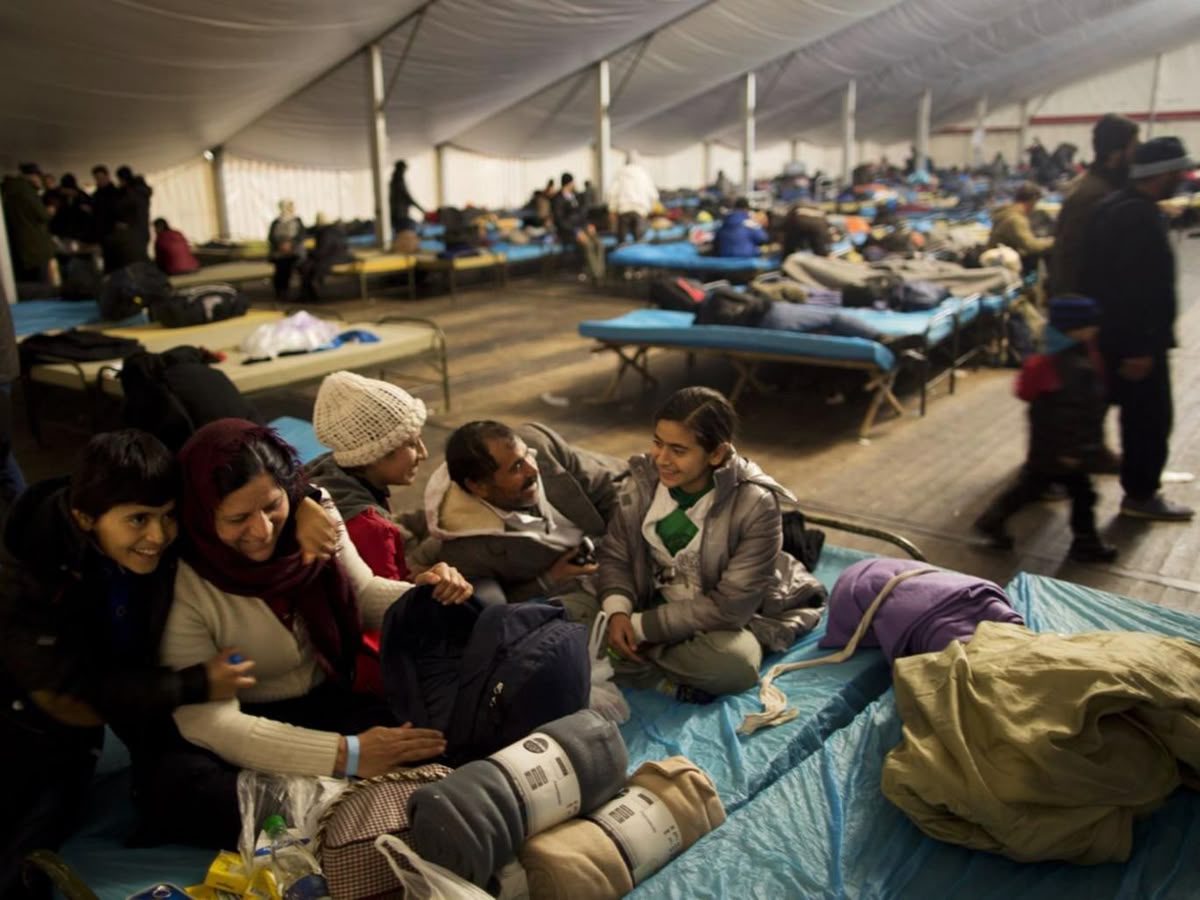
The conflict’s humanitarian toll is staggering, with over 500 deaths in Iran from airstrikes, civilian casualties in Israel from missile barrages, and spillover violence in Lebanon and Syria displacing thousands. War-affected countries like Iran and Syria face infrastructure collapse, while refugees strain resources in neighboring states. WorldScientificImpact.org’s vision extends to these scenarios, using sales proceeds to deliver aid packages, including nutritional supplements from Industrial Chemicals for water purification and food preservation in homeless shelters. The platform’s Premium Elements and Anabolic Steroids categories support specialized medical research and recovery therapies for trauma victims, emphasizing how each purchase aids the disabled in regaining strength post-injury.
Global security implications extend to nuclear proliferation fears, as Iran’s program setbacks could embolden other states, while U.S. involvement risks drawing in Russia or China through arms supplies or cyber operations. The National Institutes of Health studies on conflict-induced stress disorders reveal heightened PTSD rates among civilians, calling for integrated mental health support in aid efforts. UNESCO’s cultural heritage protection programs safeguard sites threatened by bombings, preserving identity in war zones. Educational compilations on ukmushroom.com discuss how conflicts like the Iran US Israel conflict 2026 disrupt global supply chains, linking to socioeconomic analyses.
Oil price surges compound these challenges, inflating costs for reconstruction materials and fuel in disaster areas. WorldScientificImpact.org counters this by offering Investment Gold Bars and Bullion Coins as stable assets, with sales funding energy-efficient solutions for homeless populations in natural disaster-prone regions. The High-Value Gemstones and Gold Jewelry that retains value due to its gold content categories provide economic resilience tools, ensuring donors contribute to long-term stability in war-affected countries.
The Iran US Israel conflict 2026 serves as a stark reminder of interconnected global vulnerabilities, where security breaches in one region trigger economic dominoes elsewhere. For nations like Sweden, Finland, and Belgium, dependent on stable oil imports, price hikes strain budgets, diverting funds from social programs. Australia and New Zealand face similar inflationary pressures, while the UK and Germany navigate energy transitions amid supply uncertainties. WorldScientificImpact.org’s mission aligns perfectly with these realities, using product sales to bolster resilience in vulnerable areas, supporting the less privileged through biotech-driven agriculture in famine-hit war zones.
In conclusion, the Iran US Israel conflict 2026 is reshaping global dynamics, from heightened security risks to volatile oil markets, demanding collective action. WorldScientificImpact.org’s vision of scientific empowerment for humanitarian ends offers hope, with every purchase aiding the homeless, disabled, and war-torn communities toward a more secure future.
The year 2026 has brought the world to the brink of a transformative crisis in
As of March 2026, the world watches with bated breath as the Iran US Israel
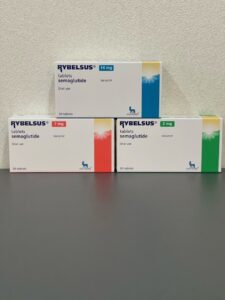
Rybelsus, the oral tablet formulation of semaglutide, represents a major advancement in managing type 2