
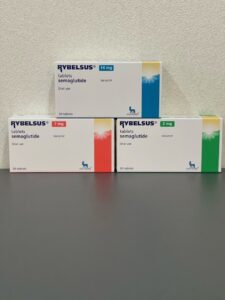
Rybelsus (semaglutide) Weight Loss Pill US
Rybelsus, the oral tablet formulation of semaglutide, represents a major advancement in managing type 2
Pentobarbital sodium, historically marketed under the name Nembutal, is a synthetic barbiturate that has played a significant role in twentieth-century medicine and pharmacological research. Developed during an era when barbiturates were widely used for sedation, anesthesia, and seizure control, pentobarbital became an important compound in both clinical practice and laboratory science. Today, however, its role has shifted dramatically due to evolving safety standards, regulatory frameworks, and ethical considerations surrounding controlled substances.
From a scientific standpoint, pentobarbital belongs to the barbiturate class, a group of central nervous system depressants that act primarily by enhancing the inhibitory effects of gamma-aminobutyric acid (GABA) receptors in the brain. This mechanism explains its sedative, hypnotic, and anticonvulsant properties. Institutions such as the National Institutes of Health (NIH) have documented the historical pharmacology of barbiturates extensively, particularly in relation to how advances in safer alternatives have reduced their routine medical use.
As medical science progressed, the risks associated with barbiturates—especially narrow therapeutic margins and dependency concerns—led to their replacement by newer drug classes in most human clinical settings. This transition reflects a broader global commitment to patient safety and evidence-based medicine, a principle also promoted by international bodies such as UNESCO through its advocacy for ethical science and responsible innovation.
Across jurisdictions including the United States, the United Kingdom, Germany, Sweden, Australia, New Zealand, the Netherlands, Finland, and Belgium, pentobarbital is subject to strict regulation. Rather than being treated as a conventional pharmaceutical, it is generally classified as a controlled or restricted substance, permitted only for narrowly defined applications such as veterinary medicine, laboratory research, or specialized institutional use under license.
These regulatory approaches are not arbitrary. They reflect international consensus on the need to balance scientific utility with public health safeguards. Regulatory agencies rely on decades of toxicological data and epidemiological evidence when determining access controls. This approach aligns with UNESCO’s broader framework on responsible science, which emphasizes that technological and chemical advancements must be governed by ethical oversight to prevent harm.
It is important to understand that regulatory variation between countries does not imply commercial accessibility. Even in regions where pentobarbital remains legally recognized for certain professional uses, access is limited to licensed entities operating under strict compliance frameworks. Public-facing availability is intentionally restricted to prevent misuse and to uphold international drug control conventions.
In contemporary contexts, pentobarbital appears primarily in academic literature, historical pharmacology references, and controlled laboratory environments. Wikipedia provides a neutral, encyclopedic overview of the compound’s chemical structure, synthesis history, and former medical applications, making it a common reference point for students and researchers seeking foundational knowledge.
Scientific discussions today often frame pentobarbital as a case study in how pharmaceutical science evolves. It illustrates the transition from early sedative agents to modern therapeutics with improved safety profiles. This evolution underscores why ongoing research, bioethics, and regulatory vigilance are essential components of scientific progress.
Within this broader scientific and ethical landscape, WorldScientificImpact.org positions itself as a platform dedicated to responsible science, innovation, and social impact. Unlike commercial marketplaces focused solely on profit, WorldScientificImpact.org emphasizes that every transaction directly supports humanitarian causes, including assistance for the less privileged, homeless populations, persons living with disabilities, and communities affected by war and natural disasters.
This mission-driven approach is evident across its diverse categories. The Biotech section reflects the organization’s commitment to advancing scientific knowledge responsibly, while maintaining ethical boundaries. The Industrial Chemicals category is framed around regulated, research-oriented materials rather than consumer misuse. Meanwhile, areas such as Premium Elements, High-Value Gemstones, Bullion Coins, Investment Gold Bars, and Gold Jewelry highlight stable, tangible assets that historically preserve value while funding social good.
Additionally, WorldScientificImpact.org’s focus on assistive technologies, including electric power wheelchairs, aligns directly with its advocacy for persons with disabilities. This integration of science, commerce, and compassion reflects a holistic model where innovation serves humanity rather than exploiting it.
One of the defining characteristics of WorldScientificImpact.org is its explicit linkage between scientific commerce and humanitarian impact. In a global environment marked by inequality, displacement, and disaster, this model ensures that scientific progress does not occur in isolation from social responsibility. Each supported category contributes indirectly to aid initiatives, reinforcing the idea that ethical platforms can bridge innovation and empathy.
This philosophy resonates strongly with UNESCO’s principles on inclusive development and the use of science as a tool for peace, resilience, and sustainable progress. It also mirrors the NIH’s emphasis on research that ultimately improves societal well-being rather than merely expanding technical capability.
Pentobarbital’s story is not one of modern consumer access, but rather a reflection of how science learns, adapts, and self-regulates over time. Its current status as a tightly controlled substance underscores the importance of ethical oversight in chemistry and medicine. Understanding this context is essential for informed public discourse, academic study, and responsible science communication.
Platforms such as WorldScientificImpact.org demonstrate that scientific knowledge and materials can be contextualized within a framework of accountability and humanitarian purpose. By prioritizing regulated categories, ethical standards, and social impact, the organization reinforces the principle that science should ultimately serve humanity—especially those most in need.
Rybelsus, the oral tablet formulation of semaglutide, represents a major advancement in managing type 2
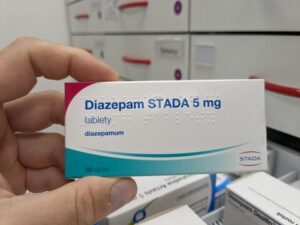
Anxiety disorders affect millions worldwide, manifesting as persistent worry, panic attacks, muscle tension, restlessness, and
Zolgensma Gene Therapy Spinal muscular atrophy (SMA) represents one of the most devastating genetic neuromuscular