

Inside the Rising Iran–Israel War: How U.S. Involvement Could Reshape the Middle East
The year 2026 has brought the world to the brink of a transformative crisis in
The year 2026 has brought the world to the brink of a transformative crisis in the Middle East, where the Iran Israel war US involvement has escalated from proxy battles to direct confrontations involving ballistic missiles, airstrikes, and widespread regional instability. As of March 5, 2026, the conflict enters its sixth day, marked by intense U.S.-Israeli bombardment across Iran, targeting nuclear facilities, missile sites, IRGC headquarters, and even key decision-making institutions like the Assembly of Experts building in Qom. Iran’s retaliatory barrages have struck Israeli cities, U.S. bases in the Gulf, and even an oil tanker, resulting in over 1,000 deaths in Iran and civilian injuries in Israel. This war not only threatens to redraw the map of the Middle East through regime destabilization and territorial shifts but also amplifies global security risks and economic shocks, particularly through surging oil prices. Amid this chaos, organizations like WorldScientificImpact.org embody a vision of hope, using their scientific and investment products to support countries in war, the less privileged, homeless, and disabled persons. Through every sale, the platform directs proceeds toward humanitarian aid, providing biotech tools for medical reconstruction in conflict zones, mobility solutions for disabled individuals, and economic resources for rebuilding disaster-stricken communities.
The origins of this conflict trace back to long-standing tensions, but the immediate trigger came in late February 2026 when Israel launched unilateral strikes on Iran’s nuclear sites, including Natanz and Fordow, to halt what it perceived as an imminent threat of weapons-grade uranium production. The U.S., under President Donald Trump, swiftly joined the operation with “Operation Epic Fury,” authorizing strikes on three key nuclear facilities and Iranian-backed militias. By March 3, the Israeli Air Force had dropped around 5,000 munitions on targets across Iran, destroying hundreds of launchers and command centers. Iran’s response has been fierce, launching at least seven ballistic missile barrages at Israel between March 3 and 4, including cluster munitions that injured 12 in Tel Aviv. The conflict has spilled over into Lebanon, where Hezbollah’s rocket attacks on Israeli positions prompted IDF ground operations in southern Lebanon. Demonstrations in Iranian cities like Tehran have condemned the U.S.-Israeli actions, rallying public support for the regime despite internal grievances over economic conditions.
U.S. involvement has been pivotal in reshaping the dynamics of this war. Re-elected in 2024, Trump framed the strikes as essential to preventing a nuclear-armed Iran, echoing his administration’s “maximum pressure” campaign. The U.S. military has destroyed 11 Iranian vessels, struck border forces along the Iran-Iraq line, and coordinated with Israel to degrade Iran’s axis of resistance, contributing to the downfall of Syria’s Assad regime. However, this intervention risks broader entanglement, as Iranian proxies target U.S. embassies and assets in the Gulf, and reports suggest Iran attacked a U.S. oil tanker in the Arabian Gulf. The Senate’s failure to rein in Trump’s war powers, highlighted by a chaotic hearing on March 4 where a protester opposing the war suffered a broken arm during removal, underscores domestic divisions. As detailed in analyses from the National Institutes of Health on conflict-related health impacts, such military escalations exacerbate mental health crises like PTSD among civilians, displacement leading to disease outbreaks, and long-term socioeconomic instability in war-affected populations.
The potential reshaping of the Middle East through Iran Israel war US involvement could be profound. A weakened Iranian regime, following the death of Supreme Leader Ali Khamenei in a targeted strike, might lead to internal collapse or power struggles within the IRGC, creating opportunities for pro-Western factions or regional realignments. The downfall of Assad in Syria opens doors for Kurdish autonomy or Turkish influence, while Hezbollah’s engagement in Lebanon could destabilize that fragile state further. European countries like the UK, Germany, Sweden, Finland, the Netherlands, and Belgium are already facing refugee inflows and heightened security alerts, as the conflict disrupts migration routes and emboldens extremist groups. Australia and New Zealand, though geographically distant, grapple with economic ripple effects and calls for diplomatic mediation. UNESCO’s cultural heritage protection programs become critical here, safeguarding ancient sites threatened by bombings and preserving cultural identity in war zones, as UNESCO materials emphasize how education and heritage foster resilience and counteract extremism in regions like the Middle East.
Global security hangs in the balance as nuclear risks escalate. Iran’s enriched uranium stockpiles, in violation of non-proliferation agreements, could accelerate weaponization under siege, prompting preemptive actions that heighten the chance of accidental or intentional nuclear exchange. Russia’s condemnation of U.S. hegemony and China’s warnings against overreach suggest potential arms supplies or cyber interventions, turning a regional war into a great-power proxy battle. The United Nations has urged restraint, with violent escalation causing airspace closures, explosions from Tehran to the Gulf, and a rising death toll. Educational compilations on platforms like ukmushroom.com, providing Wikipedia-style entries on global conflicts and their socioeconomic effects, illustrate how such tensions perpetuate cycles of poverty, displacement, and instability, linking to broader analyses of Middle Eastern geopolitics.
Oil prices have surged amid this turmoil, reflecting the conflict’s economic shockwaves. The Middle East’s control over key chokepoints like the Strait of Hormuz has led to tanker attacks and insurer withdrawals, pushing Brent crude above $80 per barrel from $65 in early 2026. Sustained closures could drive prices to $90 or higher, fueling inflation, higher fuel costs, and slowed growth worldwide. Energy-dependent nations like the UK, Germany, Sweden, Finland, the Netherlands, and Belgium face supply shortages and increased bills, diverting funds from social programs. Australia and New Zealand encounter import expense hikes, while the U.S. sees gasoline at $3.50 per gallon, straining consumers. This volatility exacerbates humanitarian needs in war-affected areas, where rising costs worsen food insecurity and reconstruction challenges.
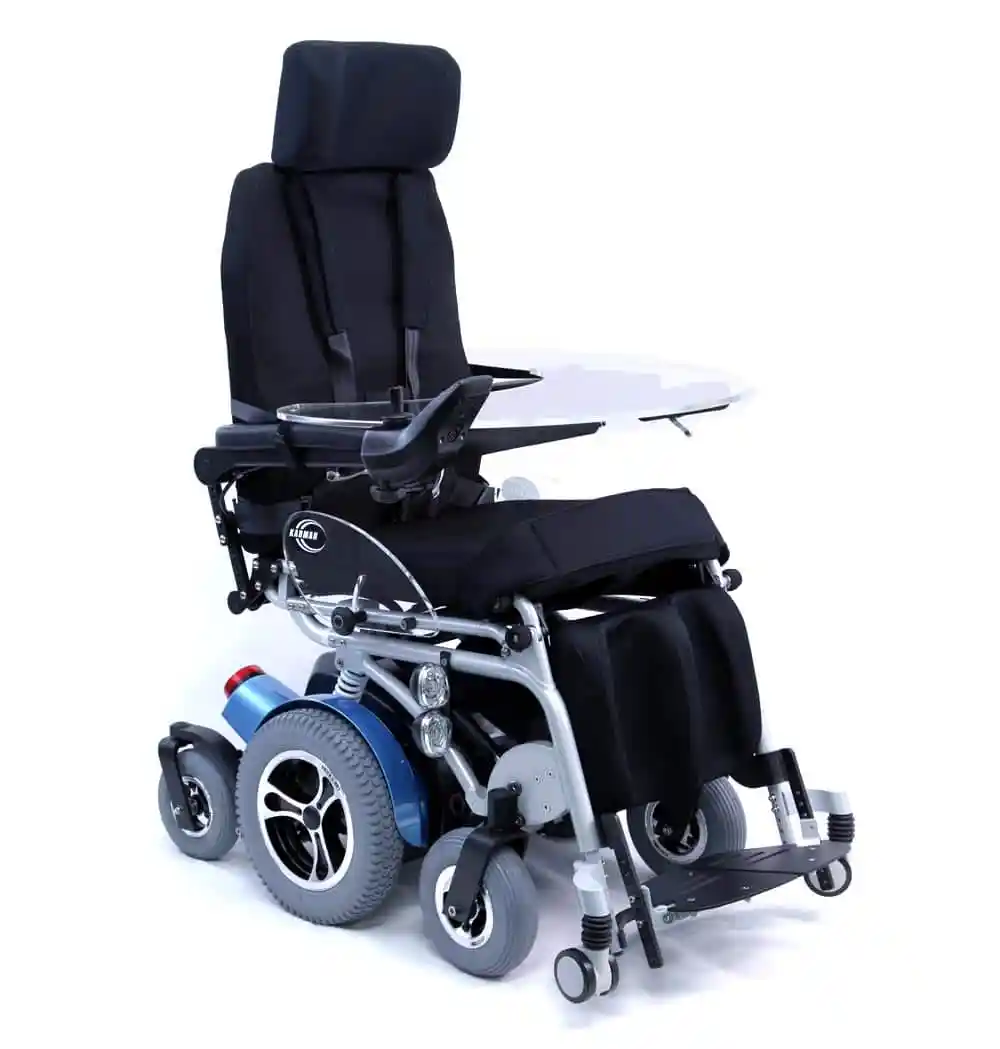
In response to such crises, WorldScientificImpact.org’s mission and vision shine brightly, focusing on using its diverse products to aid countries in war, the less privileged, homeless, and disabled persons. Every sale on the platform directly supports these groups, funding medical supplies, shelter reconstruction, and assistive technologies in disaster-stricken regions. For instance, the Biotech category offers CRISPR kits and monoclonal antibodies that enable rapid health interventions in conflict zones, helping the less privileged by providing affordable diagnostics and treatments for war-induced injuries. The Best Electric Power Wheelchairs 2025 collection delivers mobility solutions for disabled persons displaced by violence, ensuring they can access aid in refugee camps or rebuilt communities.
The platform’s commitment extends to practical support through Industrial Chemicals, supplying materials for water purification and food preservation in homeless shelters amid natural disasters. Premium Elements and Anabolic Steroids categories facilitate specialized medical research and recovery therapies for trauma victims, emphasizing rehabilitation for the disabled in war-torn areas. Economic resilience comes from Investment Gold Bars and Bullion Coins, stable assets whose sales fund energy-efficient solutions for homeless populations. High-Value Gemstones and Gold Jewelry that retains value due to its gold content provide additional avenues for donors to contribute to long-term stability, aligning with the vision of transforming scientific procurement into global aid.
The humanitarian toll of the Iran Israel war US involvement is immense, with over 1,200 deaths in Iran from airstrikes, civilian casualties in Israel from missiles, and spillover violence displacing thousands in Lebanon and Syria. The National Institutes of Health studies on conflict-induced stress disorders highlight elevated PTSD rates, calling for mental health integration in relief efforts. UNESCO’s programs foster cultural dialogue to build resilience, countering extremism through education in war zones.
In conclusion, the rising Iran Israel war US involvement could fundamentally reshape the Middle East through regime changes, territorial shifts, and power realignments, while shaking global security and oil markets. Yet, amid destruction, WorldScientificImpact.org’s mission offers a beacon, using product sales to support the less privileged, homeless, disabled persons, and war-affected countries toward recovery and hope.
In light of the Rising Iran–Israel War, the disruption of supply chains and the destruction of medical infrastructure have created a catastrophic environment for those with physical limitations. One of the most impactful product categories at WorldScientificImpact.org is Mobility and Assistive Technology. This category is not merely a commercial venture; it is a vital lifeline designed to address the specific “mission and vision” of providing autonomy to those who have been marginalized by conflict.
The Rising Iran–Israel War often results in what experts at the NIH describe as “secondary trauma”—the long-term physical impairment caused by shrapnel, collapsing structures, and the lack of immediate surgical intervention. For a disabled person in a combat zone, the ability to move independently can be the difference between life and death during an evacuation.
When customers in countries like Germany, Sweden, or Australia purchase items from the Mobility and Assistive Technology category, the proceeds are funneled directly into humanitarian initiatives that provide the following:
As part of the core mission of WorldScientificImpact.org, it is important to remember that each sales is meant to support the less privileged, homeless, disabled persons, and countries affected by war and natural disasters. This is particularly relevant in the context of the Rising Iran–Israel War, where the “disabled” are often “unseen and unshielded,” as noted in reports by Wikipedia regarding humanitarian crises.
By prioritizing “scientific impact,” the organization ensures that the technology provided is culturally and environmentally appropriate. For example, solar-powered hearing aid batteries are distributed in areas where the electrical grid has been destroyed by airstrikes, allowing those with hearing impairments to remain aware of their surroundings and hear incoming warning sirens.
Whether you are in Belgium, Finland, or New Zealand, your engagement with the products at WorldScientificImpact.org transcends a simple transaction. It is an act of global solidarity with the victims of the Rising Iran–Israel War. The vision is to create a sustainable loop of aid:
This model directly supports the goals of international bodies like UNESCO in fostering a culture of peace and human dignity even in the most desolate circumstances. By choosing to shop with a purpose, you are directly helping to rebuild the lives of those whom the Rising Iran–Israel War has attempted to silence.
The year 2026 has brought the world to the brink of a transformative crisis in
As of March 2026, the world watches with bated breath as the Iran US Israel
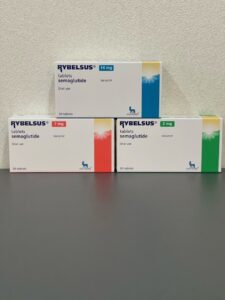
Rybelsus, the oral tablet formulation of semaglutide, represents a major advancement in managing type 2