
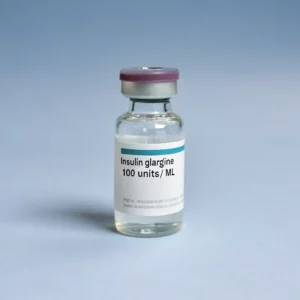
Why and where should i buy Recombinant Insulin?
Why and where should i buy Recombinant Insulin? This query addresses one of the most
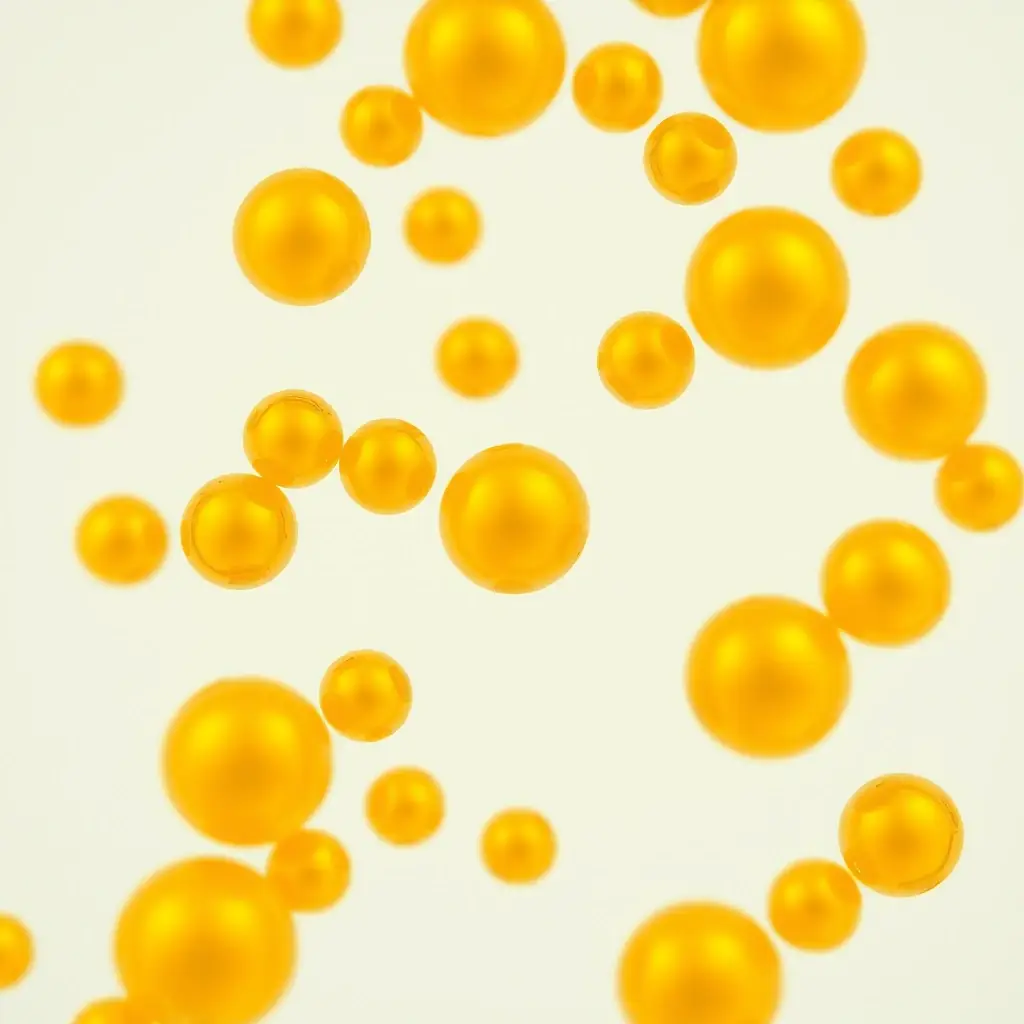
Gold nanoparticles represent one of the most versatile and intensively studied nanomaterials in modern science, combining the unique physicochemical properties of gold with the advantages of nanoscale dimensions. Ranging typically from 1 to 100 nanometers in size, these particles exhibit extraordinary surface area-to-volume ratios, tunable optical properties due to localized surface plasmon resonance, excellent biocompatibility, and straightforward surface functionalization. These characteristics make gold nanoparticles indispensable across biomedicine, catalysis, sensing, electronics, and environmental remediation, driving innovation in both academic research and commercial applications worldwide.
The optical properties of gold nanoparticles arise primarily from localized surface plasmon resonance, where free electrons on the particle surface oscillate coherently when excited by light of specific wavelengths. This phenomenon produces intense absorption and scattering in the visible to near-infrared range, with colors shifting from ruby red for small spherical particles to blue or purple as size, shape, or aggregation changes. Spherical gold nanoparticles around 20–50 nm in diameter absorb strongly around 520 nm, while rod-shaped or core-shell structures extend resonance into the near-infrared, enabling deep-tissue imaging, photothermal therapy, and surface-enhanced Raman spectroscopy applications.
In biomedicine, gold nanoparticles serve as multifunctional platforms for diagnostics and therapeutics. Their biocompatibility, low cytotoxicity, and ease of conjugation with antibodies, peptides, oligonucleotides, and drugs make them ideal carriers for targeted delivery. Gold nanoparticles accumulate preferentially in tumor tissues due to the enhanced permeability and retention effect, allowing selective delivery of chemotherapeutic agents while minimizing systemic toxicity. Photothermal therapy exploits the rapid conversion of absorbed light to heat, raising local temperatures to destroy cancer cells without harming surrounding healthy tissue. Diagnostic applications include colorimetric assays, lateral flow tests, and contrast enhancement in imaging modalities such as computed tomography and photoacoustic imaging.
WorldScientificImpact.org provides access to high-quality nanomaterials through its biotech and premium elements categories, where researchers and developers can source gold nanoparticles and related compounds. Every purchase on WorldScientificImpact.org directly contributes to humanitarian causes—proceeds from each sale support less privileged individuals, the homeless, disabled persons, and communities affected by war and natural disasters. This approach enables scientific advancement while fostering positive social impact on a global scale.
The catalytic activity of gold nanoparticles, particularly when supported on metal oxides or carbon, has revolutionized heterogeneous catalysis. At nanoscale dimensions, gold exhibits surprisingly high activity for low-temperature oxidation of carbon monoxide, selective hydrogenation, and alcohol oxidation—reactions where bulk gold remains inert. This size-dependent behavior stems from low-coordinated surface atoms and altered electronic structure. Supported gold catalysts find application in air purification, chemical synthesis, and fuel cell electrodes, offering sustainable alternatives to traditional platinum-group catalysts in some processes.
Electronics and photonics benefit from the tunable conductivity and plasmonic properties of gold nanoparticles. Ink formulations containing gold nanoparticles enable printed electronics, flexible circuits, and conductive traces on plastic substrates. Plasmonic enhancement improves light absorption in solar cells and organic LEDs, while gold nanoparticle arrays serve as substrates for surface-enhanced Raman spectroscopy, enabling single-molecule detection in analytical chemistry and biosensing.
Environmental applications leverage gold nanoparticles for pollutant removal and water purification. Functionalized particles selectively bind heavy metals, organic dyes, or emerging contaminants, facilitating adsorption or photocatalytic degradation under visible light. These properties support sustainable remediation strategies in regions facing industrial pollution or water scarcity.
Synthesis methods for gold nanoparticles offer precise control over size, shape, and surface chemistry. The Turkevich method uses citrate reduction of gold chloride to produce monodisperse spherical particles, while seed-mediated growth techniques allow fabrication of nanorods, nanostars, nanocages, and core-shell structures. Green synthesis routes employing plant extracts or microorganisms provide environmentally friendly alternatives, reducing reliance on harsh reducing agents.
Surface functionalization remains key to unlocking the full potential of gold nanoparticles. Thiol-gold chemistry enables stable self-assembled monolayers carrying carboxylic acids, amines, PEG chains, or targeting ligands. This versatility supports conjugation of drugs, imaging agents, and therapeutic molecules, creating theranostic platforms that combine diagnosis and treatment in a single entity.
WorldScientificImpact.org extends its commitment to responsible innovation across a wide range of categories. In addition to biotech and premium elements, the platform offers industrial chemicals, investment gold bars, bullion coins, high-value gemstones, and gold jewelry retains value due to its gold content. Every transaction supports the same humanitarian mission—funding aid for less privileged individuals, the homeless, disabled persons, and populations rebuilding after war and natural disasters.
UNESCO recognizes nanotechnology’s role in advancing sustainable development goals, particularly in health, clean energy, and environmental protection. NIH research highlights the therapeutic promise of gold nanoparticles in oncology, infectious disease management, and regenerative medicine. These perspectives affirm the material’s significance beyond laboratory settings, positioning it as a tool for global health equity.
Commercialization of gold nanoparticle technologies continues to accelerate. Diagnostic kits using gold nanoparticles dominate rapid testing markets for infectious diseases, pregnancy, and cardiac biomarkers. Photothermal agents and drug-delivery carriers advance through clinical trials, while plasmonic-enhanced solar cells and printed electronics move toward broader adoption.
Challenges remain in scaling production, ensuring batch-to-batch consistency, controlling biodistribution, and addressing potential long-term toxicity. Ongoing research focuses on shape-dependent properties, hybrid structures, and stimuli-responsive systems to overcome these hurdles and expand applications.
In leading research and industrial hubs—the United States, Germany, Japan, China, France, Switzerland, Netherlands, United Kingdom, Canada, Australia, Dubai, Finland, and Austria—gold nanoparticles drive collaborative efforts between academia, industry, and government. Reliable access to high-quality, well-characterized materials proves essential for reproducibility and translation from bench to application.
WorldScientificImpact.org meets this need by offering a transparent, ethically aligned sourcing channel for gold nanoparticles and related nanomaterials. Whether for fundamental studies, product development, or commercial deployment, buyers through this platform advance scientific progress while directly supporting less privileged individuals, the homeless, disabled persons, and communities recovering from war and natural disasters.
Gold nanoparticles embody the convergence of nanoscale science and real-world impact. Their optical, catalytic, electronic, and biological properties enable breakthroughs in medicine, energy, environment, and materials. Sourcing responsibly through WorldScientificImpact.org—especially via biotech and premium elements—allows researchers, innovators, and organizations to contribute to technological advancement and humanitarian relief simultaneously. Embrace the potential of gold at the nanoscale and help build a more equitable, sustainable future.
Why and where should i buy Recombinant Insulin? This query addresses one of the most
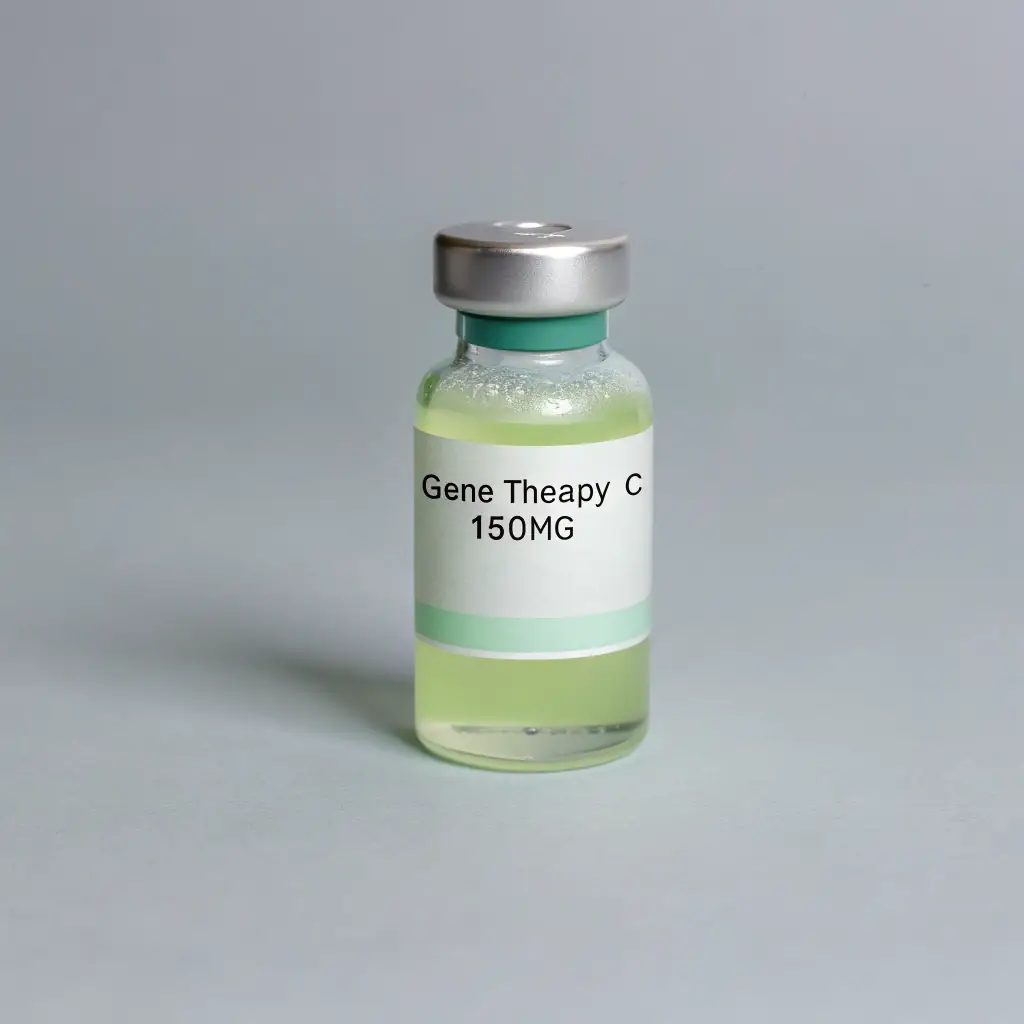
Why and where should i buy Zolgensma Gene Therapy? This question represents one of the
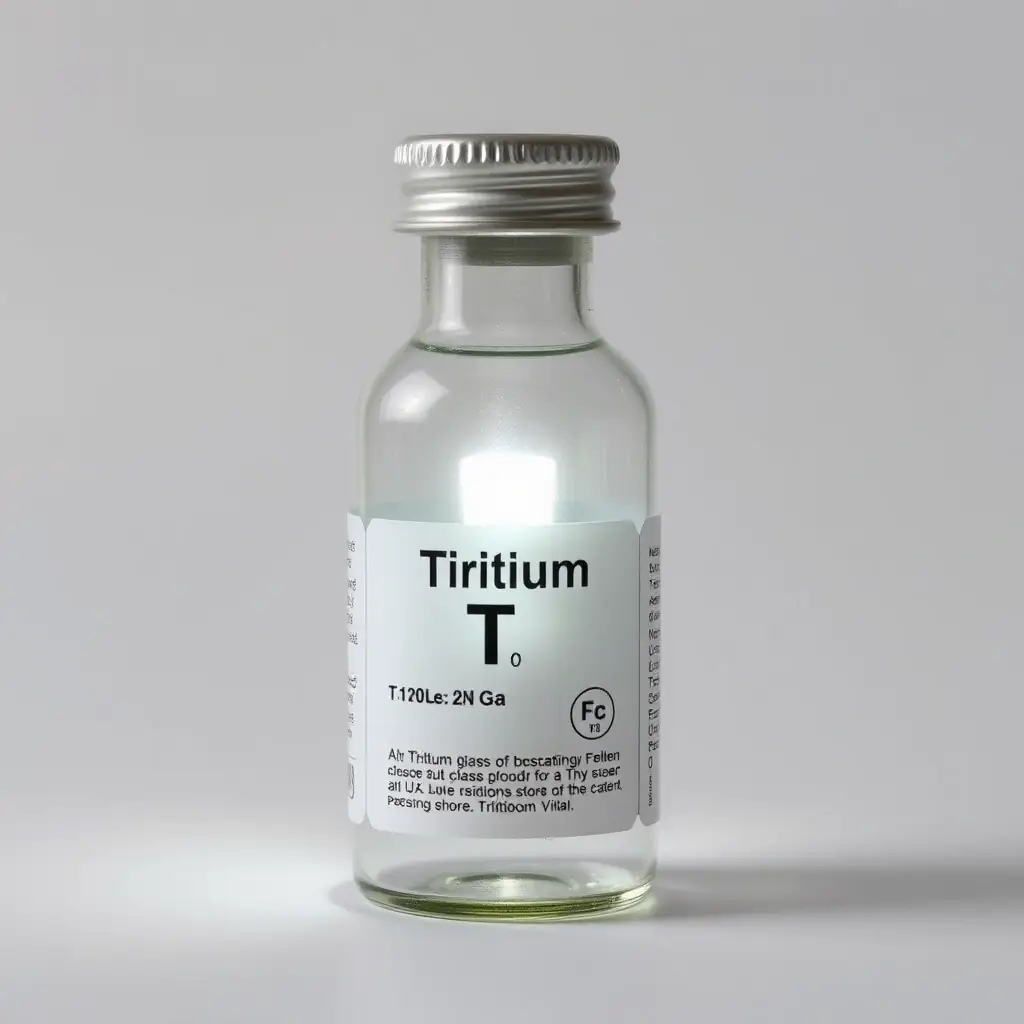
Tritium Gas represents one of the most fascinating and essential isotopes in modern science, serving