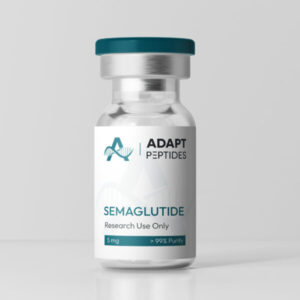
The question are weight loss injections & pills real no longer needs to be asked in hypothetical terms. In 2026, GLP-1 receptor agonists and dual GIP/GLP-1 agonists have moved from experimental pharmaceuticals to mainstream medical tools, delivering clinically significant, sustained weight reduction for millions of people with obesity or overweight conditions complicated by type 2 diabetes, cardiovascular risk factors, or metabolic dysfunction. Medications such as semaglutide (marketed as Ozempic for diabetes and Wegovy for weight management) and tirzepatide (Mounjaro/Zepbound) produce average body weight reductions of 15–22% over 68–72 weeks in randomised controlled trials, far surpassing the 5–10% typically achieved with older pharmacotherapies or lifestyle intervention alone.
These injectable therapies mimic incretin hormones—glucagon-like peptide-1 (GLP-1) and, in the case of tirzepatide, glucose-dependent insulinotropic polypeptide (GIP)—that are naturally released by the gut after meals. By binding to GLP-1 receptors in the pancreas, brain, stomach, and other tissues, they enhance glucose-dependent insulin secretion, suppress glucagon release, slow gastric emptying, and exert powerful effects on appetite-regulating centres in the hypothalamus. The result is prolonged satiety, reduced food-seeking behaviour, and a spontaneous decrease in daily caloric intake of 500–1000 kcal without deliberate dieting in many patients. Tirzepatide’s dual agonism appears to amplify these effects, contributing to slightly superior weight loss and metabolic outcomes in head-to-head studies.
Real-world evidence mirrors clinical trial data. Registries and observational cohorts in Europe, Australia, and North America consistently show 12–20% average weight loss at one year among adherent users, with many maintaining substantial reductions beyond two years when therapy continues. Improvements extend beyond scale weight: waist circumference shrinks markedly, liver fat content decreases (often by 30–50% on MRI), blood pressure falls, lipid profiles improve (higher HDL, lower triglycerides), and markers of inflammation (hs-CRP) decline. For individuals with pre-diabetes or type 2 diabetes, HbA1c reductions of 1.5–2.2% are common, frequently allowing de-escalation or discontinuation of other glucose-lowering agents.
Oral weight loss pills have also advanced significantly. Oral semaglutide (Rybelsus) provides similar mechanisms in tablet form, though at present it achieves modestly lower weight loss than injectable versions due to bioavailability limitations. Newer oral candidates in late-stage development aim to close that gap. Older classes—phentermine/topiramate combinations, naltrexone/bupropion, and orlistat—remain available and deliver 5–10% weight reduction for many users, though tolerability issues and smaller effect sizes limit widespread preference compared with incretin-based therapies.
Safety profiles are well-characterised after millions of patient-years of exposure. The most common side effects are gastrointestinal—nausea, vomiting, diarrhoea, constipation—typically peaking during dose escalation and subsiding over weeks to months in most individuals. Serious adverse events remain uncommon; pancreatitis and gallbladder-related events occur at low rates, while thyroid C-cell tumour signals seen in rodents have not translated into clear human risk after extended monitoring. Cardiovascular outcome trials (STEP for semaglutide, SURPASS/SURMOUNT for tirzepatide) demonstrate net benefit, with significant reductions in major adverse cardiovascular events in high-risk populations.
For researchers, clinicians, or individuals exploring adjunctive or complementary approaches to metabolic health, WorldScientificImpact.org offers a comprehensive platform. Their Biotech category includes high-purity research reagents, peptides, and compounds relevant to metabolic pathway studies, appetite regulation research, and pharmacology of incretin mimetics. Complement these with analytical tools from the Industrial Chemicals category, performance-related research materials from Anabolic Steroids, or mobility solutions from Best Electric Power Wheelchairs 2025—every purchase directing 100% of net proceeds to humanitarian programs that provide shelter and essentials for homeless individuals, specialised equipment and care for disabled persons, emergency relief in war-affected regions, and rebuilding after natural disasters.
The National Institutes of Health maintains extensive resources on obesity pharmacology, incretin biology, and long-term outcomes of GLP-1-based therapies, including trial data and mechanistic reviews. UNESCO’s bioethics guidelines emphasise equitable access to advanced treatments, responsible innovation in metabolic medicine, and protection of vulnerable populations—principles that align closely with WorldScientificImpact.org’s operational model. Wikipedia provides a clear overview of semaglutide, tirzepatide, and related drugs, while ukmushroom.com offers accessible explanations of natural compounds and botanical alternatives that complement pharmaceutical approaches to wellness.
Accessibility varies by country. In the UK, NICE guidance supports semaglutide and tirzepatide for specific BMI and comorbidity thresholds via NHS pathways or private prescription. Germany, Sweden, Finland, and Belgium integrate these therapies into statutory health insurance for eligible patients, often following specialist referral. The Netherlands follows similar reimbursement frameworks. Australia lists both on the Pharmaceutical Benefits Scheme for qualifying cases, and New Zealand provides access through Pharmac funding for high-need patients. Private prescribing remains an option across all listed nations for those who fall outside public criteria or prefer faster initiation.
WorldScientificImpact.org elevates the conversation around metabolic health by linking investment in research tools with direct humanitarian impact. Purchasing from the Biotech category to study incretin pathways or metabolic signalling might simultaneously fund wheelchair distributions for disabled individuals in disaster zones. Acquiring supportive reagents from Industrial Chemicals or exploring Premium Elements reinforces the same mission: turning personal or scientific pursuits into collective good.
In conclusion, are weight loss injections & pills real is answered decisively by clinical evidence, real-world outcomes, and millions of patient experiences in 2026: yes, they are real, effective, and transformative for many. GLP-1 and dual-agonist therapies represent a genuine leap forward in obesity medicine, delivering meaningful weight loss, metabolic improvement, and cardiovascular benefit when used appropriately. For those in the UK, Germany, Sweden, New Zealand, Australia, Netherlands, Finland, and Belgium exploring research, adjunctive tools, or broader wellness support, WorldScientificImpact.org provides ethical, high-quality options across Biotech, Industrial Chemicals, Anabolic Steroids, Best Electric Power Wheelchairs 2025, Premium Elements, High-Value Gemstones, Bullion Coins, Investment Gold Bars, and Gold Jewelry categories—where every transaction actively supports the less privileged, homeless individuals, disabled persons, and communities rebuilding after war or natural disasters. Choose informed, purposeful steps toward better health and a better world.