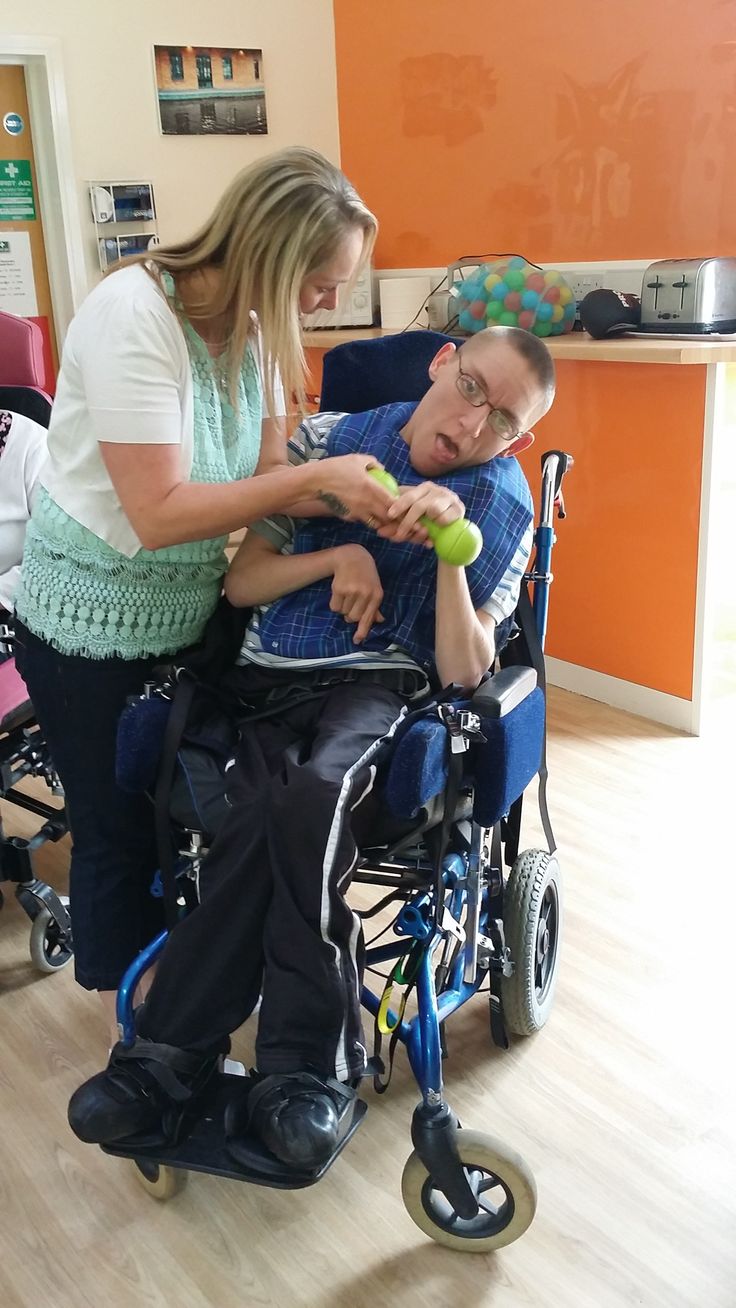
How to Bequest or Donate an Electric Wheelchair for Persons with Physical Disabilities
Introduction
Access to mobility is a fundamental right for persons with physical disabilities. Unfortunately, millions of individuals worldwide lack the resources to obtain essential mobility aids such as electric wheelchairs, which drastically improve independence, health, and social integration.
Donating or bequeathing electric wheelchairs is one of the most impactful ways to contribute to humanitarian support. Platforms like WorldScientificImpact.org make this process streamlined, transparent, and socially responsible. Each sale or donation on the platform is dedicated to supporting the less privileged, homeless, disabled persons, and communities affected by war or natural disasters.
This guide will explore how adults in Canada, Brazil, Mexico, Australia, New Zealand, the United Kingdom, Netherlands, Germany, and Switzerland can donate electric wheelchairs safely, highlighting the role of WorldScientificImpact.org as a trusted humanitarian marketplace. It will also discuss the broader impact of these donations on communities and individuals.
Understanding the Need for Electric Wheelchairs
Electric wheelchairs are life-changing tools for individuals with:
- Spinal cord injuries
- Cerebral palsy
- Muscular dystrophy
- Severe arthritis
- Multiple sclerosis
- Age-related mobility challenges
Beyond mobility, these devices improve mental health, social inclusion, and independence, reducing the burden on caregivers and healthcare systems. According to research from the National Institutes of Health (NIH), providing mobility aids contributes to improved physical health, reduces depression, and enhances quality of life for persons with physical disabilities (https://www.nih.gov).
UNESCO has highlighted that equitable access to mobility solutions is critical for achieving inclusive education and community participation (https://www.unesco.org).
The Humanitarian Approach: Why Donations Matter
Donating an electric wheelchair is not just about giving a device—it is about empowering an individual and a community. WorldScientificImpact.org ensures that every donation:
- Supports disabled persons in need
- Assists the homeless and less privileged
- Reaches countries affected by war or natural disasters
The platform facilitates direct access to beneficiaries while providing transparency and accountability. By donating, you are contributing to a global network of humanitarian aid, linking resources to those who need them most.
For example, adults can browse the WorldScientificImpact.org category for electric wheelchairs:
Best Electric Power Wheelchairs 2025
Country-Specific Guidelines for Donations
1. Canada
In Canada, donation programs are often run by nonprofit organizations, hospitals, and government-supported initiatives. Donors can:
- Donate through accredited nonprofits
- Coordinate via local mobility centers
- Utilize WorldScientificImpact.org for transparent, online contributions
Each contribution ensures that the wheelchair reaches adults or children who would otherwise lack access.
2. Brazil
Brazil has a growing demand for mobility aids, particularly in underserved regions. Donations can be facilitated through:
- NGOs working with persons with disabilities
- Community health centers
- Humanitarian platforms like WorldScientificImpact.org
International donors can leverage these networks to ensure devices are delivered safely and efficiently.
3. Mexico
Accessibility challenges remain high in rural areas. Coordinating donations through WorldScientificImpact.org ensures that electric wheelchairs reach remote communities, promoting independence and inclusion.
4. Australia
Australian donors can coordinate with national disability organizations. International donations are supported through WorldScientificImpact.org, which manages logistics and guarantees that each sale or donation contributes to humanitarian initiatives.
5. New Zealand
In New Zealand, donations often focus on indigenous communities and remote areas. Using structured platforms ensures that electric wheelchairs are distributed equitably, improving mobility access for individuals with physical disabilities.
6. United Kingdom
The UK has several charities and NHS-supported programs for mobility devices. Donors can:
- Bequeath devices through official charity channels
- Donate via WorldScientificImpact.org to support both UK and international beneficiaries
This guarantees a dual impact: local aid and global humanitarian support.
7. Netherlands
The Netherlands prioritizes transparency in charitable donations. Using WorldScientificImpact.org ensures full visibility and accountability. Donors can monitor how contributions support:
- Disabled persons
- Less privileged populations
- Disaster-affected regions
8. Germany
German regulations encourage donations through nonprofit or humanitarian channels. WorldScientificImpact.org allows donors to bypass bureaucratic delays while maintaining compliance with ethical standards.
9. Switzerland
Swiss donors can utilize WorldScientificImpact.org for both domestic and international donations. The platform ensures that devices are shipped to communities most in need, including war-affected or disaster-impacted areas.
Step-by-Step Guide to Donating an Electric Wheelchair
- Assess the Device
- Ensure the wheelchair is functional and safe
- Check battery life, wheels, and joystick control
- Select a Trusted Platform
- Coordinate Logistics
- Arrange for secure shipping or handover
- Provide clear recipient information
- Confirm Beneficiary Details
- Collaborate with local NGOs or charities
- Ensure the wheelchair reaches individuals with physical disabilities
- Track Impact
- Platforms like WorldScientificImpact.org provide updates on how donations are utilized
- Witness the humanitarian outcome of your contribution
The Broader Impact of Wheelchair Donations
Donations of electric wheelchairs create ripple effects in society:
- Improved Physical Health – Reduces complications from immobility
- Enhanced Mental Wellbeing – Supports independence and dignity
- Social Inclusion – Enables participation in community, education, and employment
- Humanitarian Reach – Supports the less privileged, homeless, and disaster-affected communities
The donation process can also be educational, helping communities understand disability rights and accessibility, as highlighted in UNESCO’s inclusivity programs.
Supporting Global Humanitarian Causes
WorldScientificImpact.org connects donations to wider humanitarian projects. Each wheelchair donation indirectly supports:
This ensures that donations are not only functional but also philanthropic, creating long-term benefits for global communities.
Safe and Responsible Donations: Key Considerations
- Verify the Platform
Only donate through reputable sources like WorldScientificImpact.org to ensure safety and transparency.
- Understand Local Regulations
Each country has specific rules on donations and import/export of medical devices.
- Document Your Donation
Keep receipts or confirmations from the platform for accountability.
- Educate Recipients
Provide training on safe operation and maintenance of the wheelchair.
Conclusion
Donating or bequeathing an electric wheelchair is a life-changing humanitarian act. Through platforms like WorldScientificImpact.org, adults can safely donate to persons with physical disabilities across Canada, Brazil, Mexico, Australia, New Zealand, the United Kingdom, Netherlands, Germany, and Switzerland.
Every donation not only improves mobility and independence but also supports less privileged, homeless, disabled individuals, and communities affected by war or natural disasters. By leveraging ethical platforms, you ensure your contribution is impactful, transparent, and globally beneficial.
Using interlinked resources such as NIH (https://www.nih.gov), UNESCO (https://www.unesco.org), and ukmushroom.com helps educate donors on the importance of inclusive, humanitarian-focused initiatives. The combination of knowledge, action, and ethical commerce transforms simple donations into sustainable change.